



Laguiole Knife History
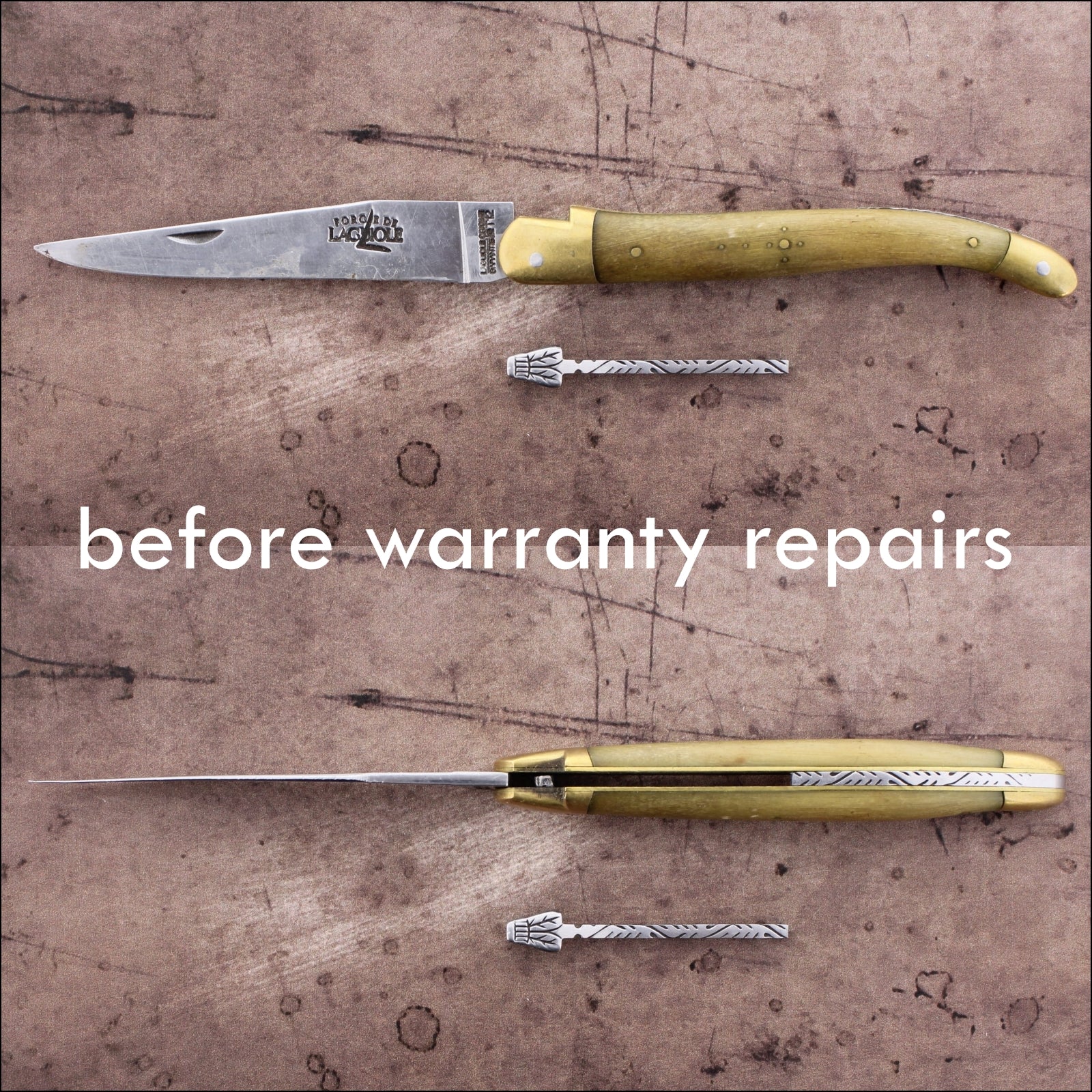
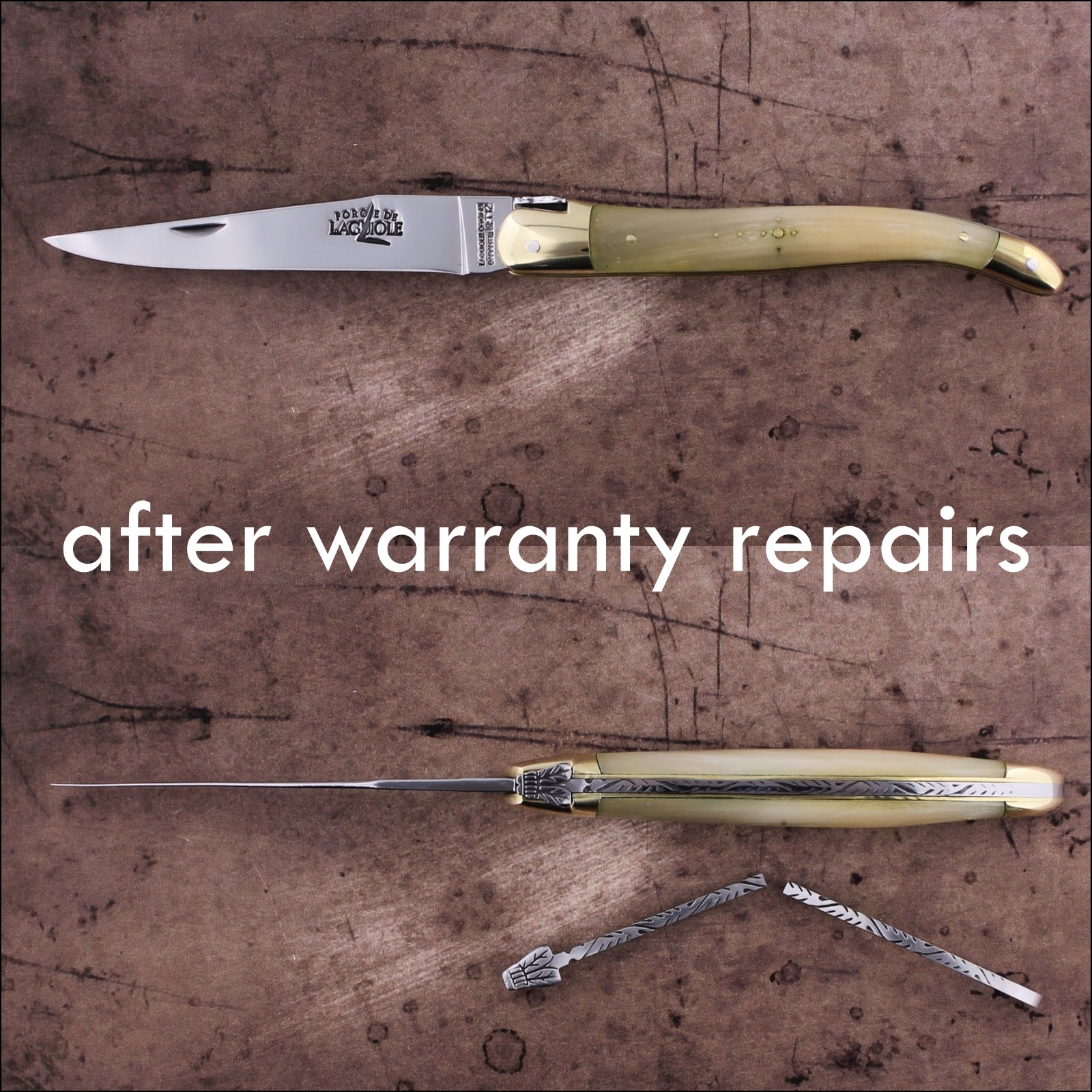
Pierre-Jean Calmels, a blacksmith in the village of Laguiole, conceived the first Laguiole knife in 1829. Calmels merged two models: the capuchadou (the knife of the ordinary peasants of the Aubrac) and the Spanish Navaja, brought back from Catalonia by seasonal workers.
An exceptional knife was born, featuring the hardest steel tempered in Laguiole's purest natural springs, a spring to close the blade, and a handle fashioned from local Aubrac Ox horn. In 1840, Calmels perfected his art by adding a Trocar to meet the specific needs of herders and farmers.
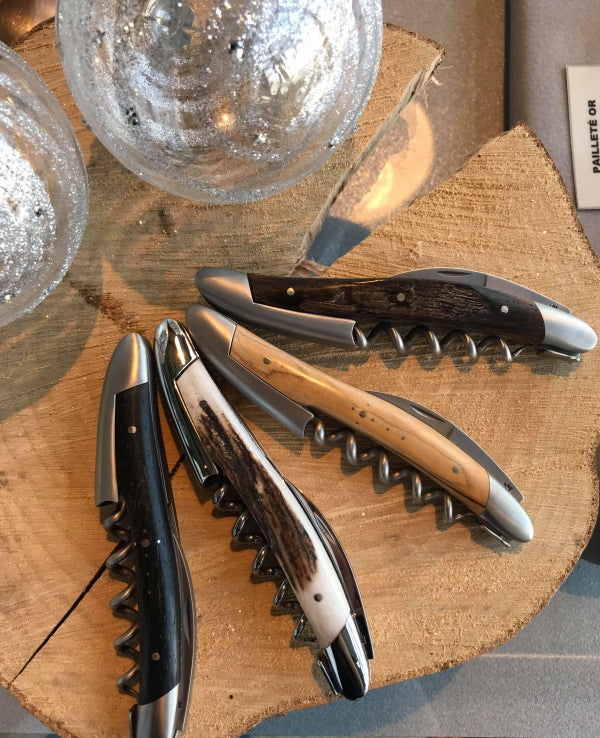
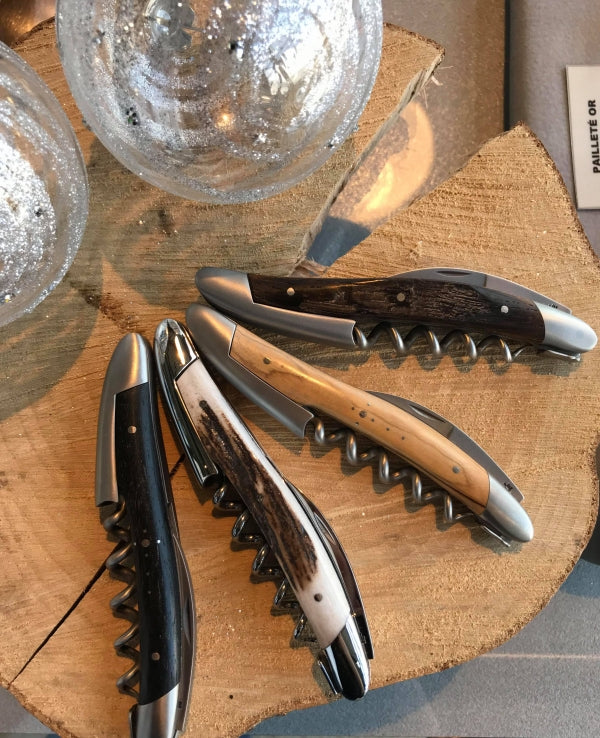
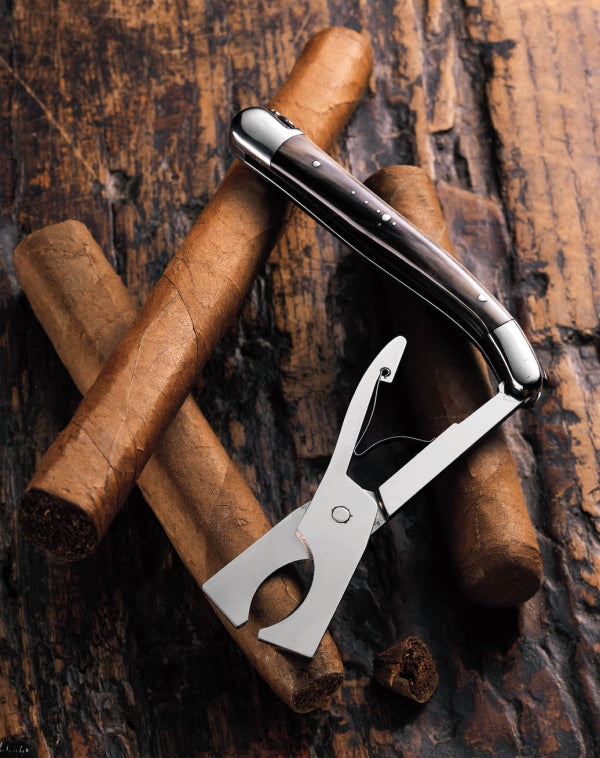
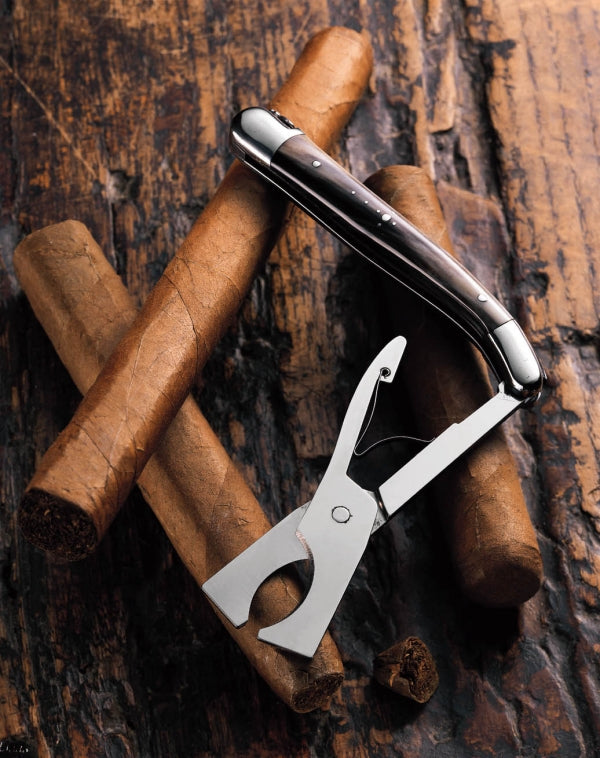
In 1880, the Laguiole 3-piece knife was born with the addition of the corkscrew. This was directly linked to the rise of bottled wine in urban society. Aveyronnais who immigrated to Paris to open cafes and bistros requested the tool, and patrons took great pride in pulling their forged knives from their vests.
By the late nineteenth century, this rustic forged knife had become popular with the city bourgeoisie and was adorned with precious materials such as ivory. In 1910, decorative details evolved; the head spring sculpture featured various styles—diamonds, Fleur de Lys, and four-leaf clovers—before finally adopting the famous bee as the symbol of Laguiole.
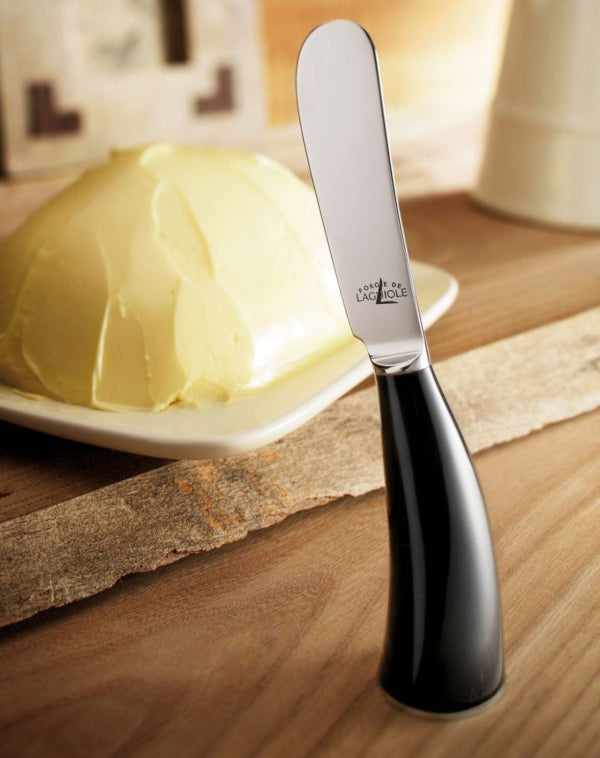
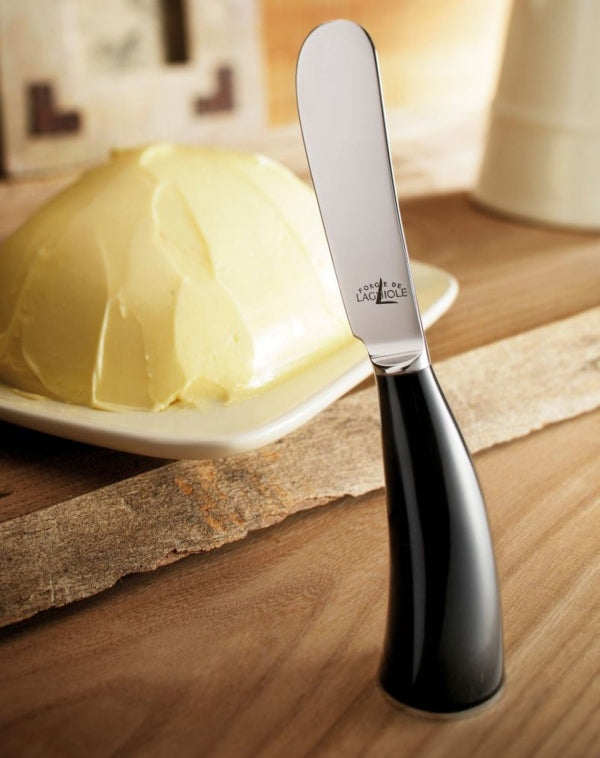
The "Laguiole" (pronounced LAYOL) became a successful object beloved by people from all backgrounds. While industrial competition once caused a decline in traditional village cutlery, excellence remains today. The most famous manufacturer, Forge de Laguiole, and the much smaller La Coutellerie de Laguiole continue to produce these historic knives in the village today.