






The Art of the Ritual: Why the Corkscrew Still Matters
In an age of digital gadgets for every conceivable purpose, the humble corkscrew might seem archaic. Yet, there is something enduringly romantic about hand-opening a fine bottle of wine with a Laguiole corkscrew. To me, it is an art—rooted in tradition, passed down through the ages, and an essential component of the sacred wine-drinking ritual.
The Beauty of Handmade Corkscrews
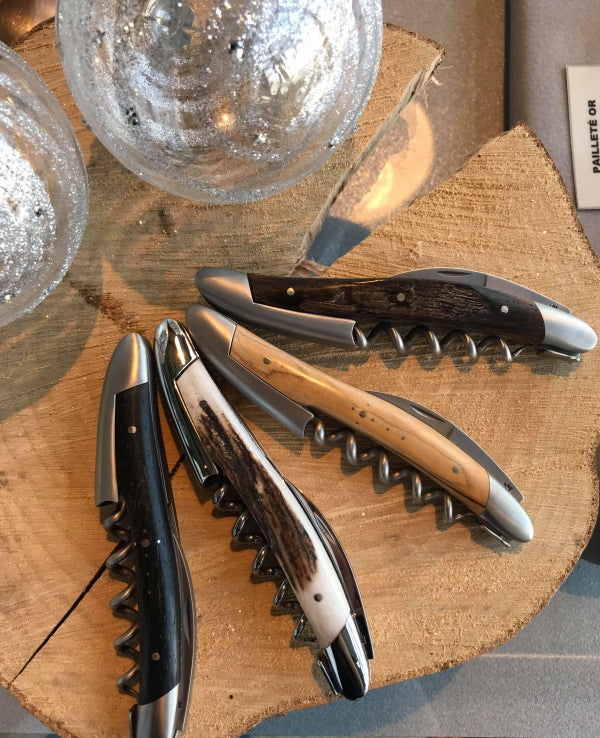
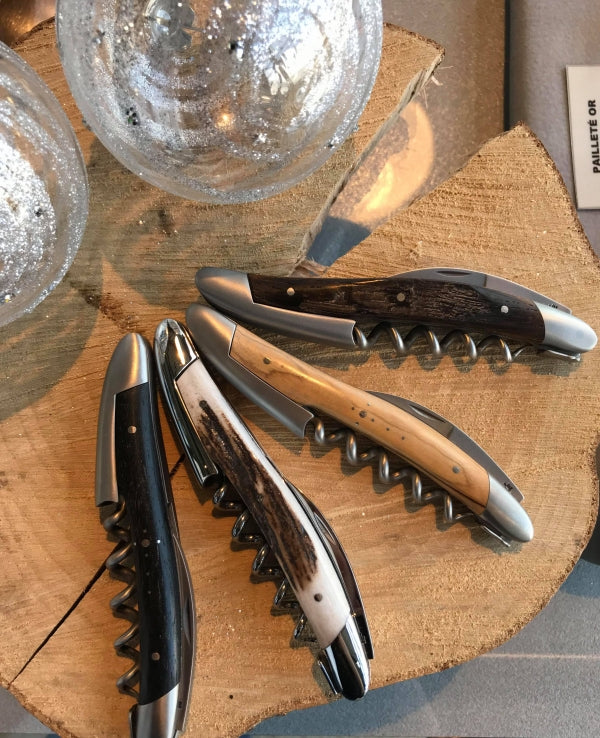
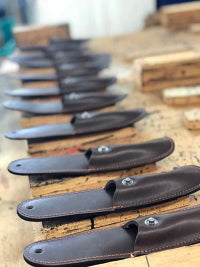
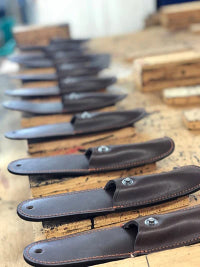
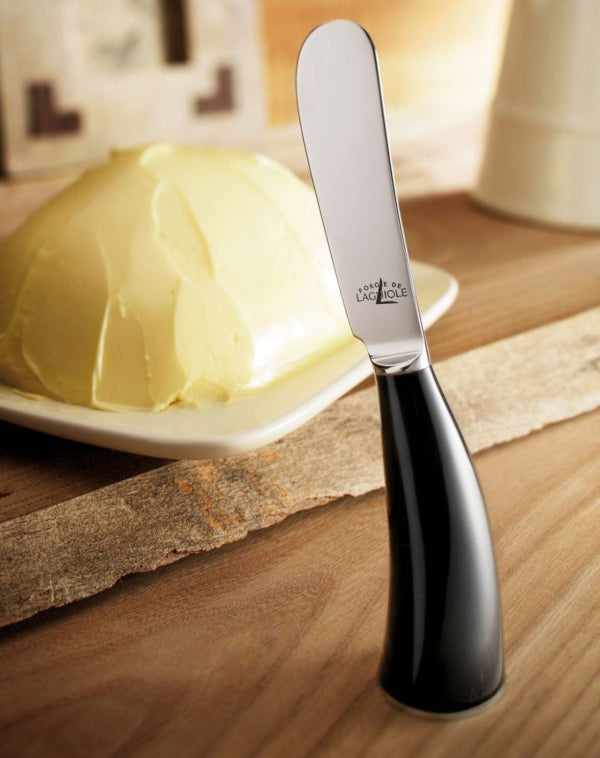
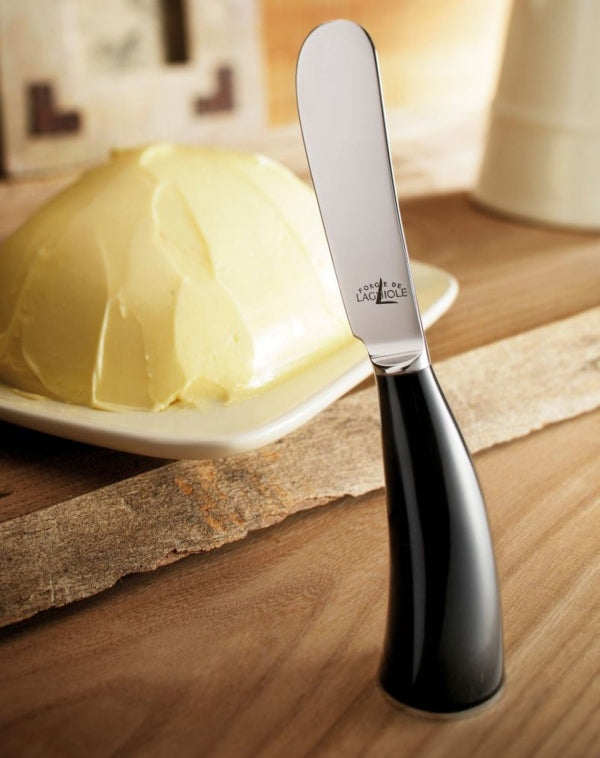
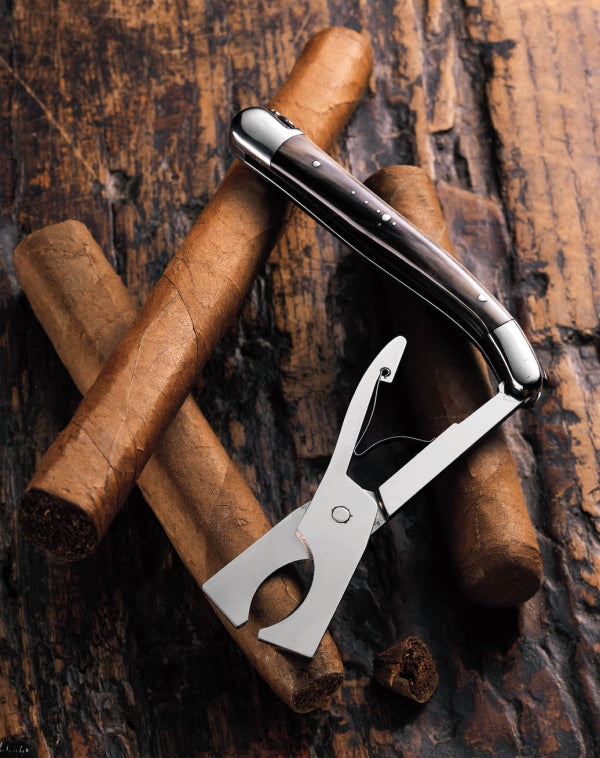
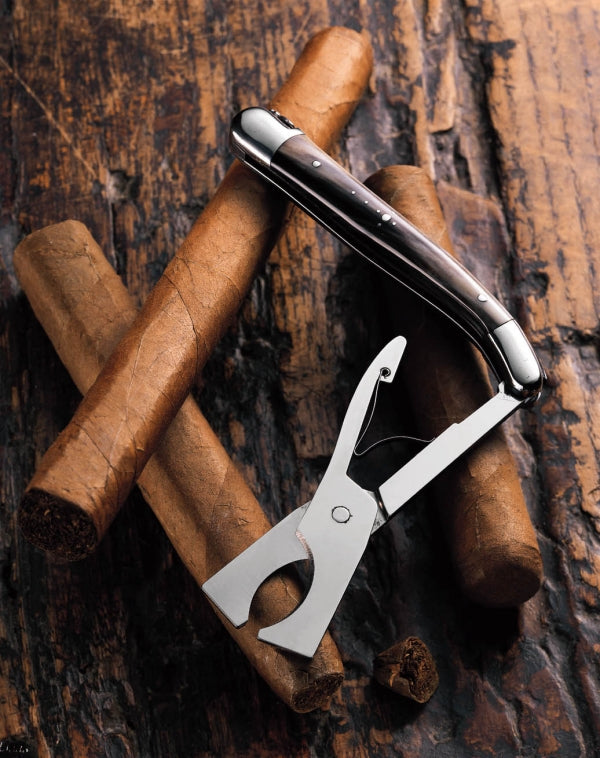
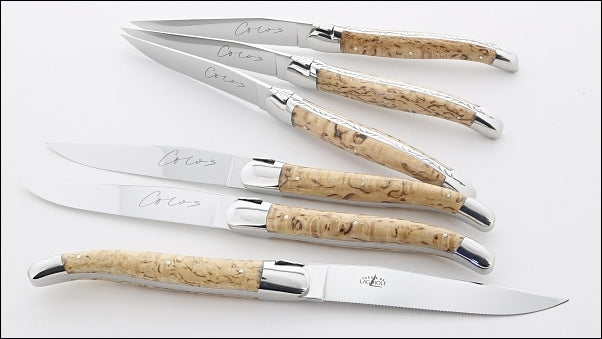
A Laguiole Waiter's corkscrew embodies meticulous craftsmanship and celebrates the artisan’s touch. The attention to detail is obvious, from handles carved from noble materials to the precise engineering of the helix. This is not merely a tool; it is a heirloom in waiting.
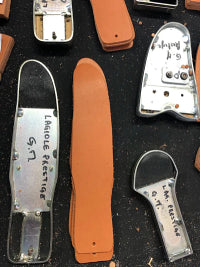
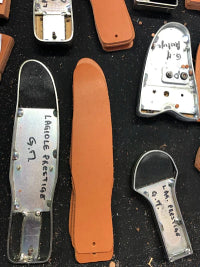
Crafted in the world-renowned cutlery villages of France, each piece is a tribute to the skilled hands that shaped it. In an era where mass production is king, these handcrafted tools serve as a vital connection to culinary traditions that have stood the test of time.
Enhancing the Wine Experience
The sound of the blade cutting the foil, the anticipation as the helix twists, and the final satisfying "pop"—these sensory moments are intrinsic to the experience. Using a Laguiole corkscrew is a theater of its own, a dance of pleasure and ritual that prepares the palate for the wine.
There is symbolism in the act as well. Using a Laguiole is a nod to the past, a gesture that respects the history of winemaking. It signals that the wine within is not just a commodity, but a product of the land and labor that deserves to be treated with reverence.
The Pleasure of the Process
Opening a bottle with a Laguiole corkscrew is a tactile experience that heightens the senses. The weight of the handle and the smoothness of the twist provide a level of satisfaction that simply cannot be replicated by a battery-operated counterpart.
In a world that rushes from one instant to the next, there is a certain satisfaction in the deliberate pace of the corkscrew. This process forces us to slow down and appreciate the act of opening a bottle of wine as an event in its own right, not merely a precursor to consumption.
Personal Reflection
My appreciation for Laguiole cutlery is not just an aesthetic or a philosophical one; it is deeply personal. My family has been living in the Aveyron department of France (Arvieux, Requista, La Selve) for around 400 years. The first Laguiole I ever used was handed down to me by my father, who in turn received it from his, it was a folding Laguiole knife with a corkscrew and a awl. Each scratch and mark on its handle tells a story of the everyday tasks and the wines it has opened; the occasions it has graced.
Conclusion
The use of a Laguiole corkscrew may appear as a simple act in the grand tapestry of wine appreciation, but in its simplicity lies a profound beauty. It is a tangible link between the present and the past, and a reminder that some things in life are best enjoyed when we take the time to do them right.
In advocating for the continued use of traditional, handmade corkscrews, I urge fellow wine enthusiasts not to forsake the pleasures of the old world for the lure of modern convenience. The art of using a Laguiole corkscrew is a testament to a culture that values quality over quantity, history over haste, and tradition over trend. In doing so, we not only honor the wine but also enrich our own experience of it.


